

“Matching the hatch” isn’t just a freshwater concept—it is imperative during the Florida Keys fly selection process. Whether you’re stalking bonefish in the Lower Keys, poling the pristine white-sand flats of Islamorada, or navigating the dark, tannin-rich creeks of Everglades National Park, your fly design must be calibrated to your environment. To master the flats, you have to understand two fundamental variables: weight and color.
The Strategic Use of Weight: Sink Rate vs. Presentation
Weight determines where your fly lives in the water column and how it interacts with the fish.
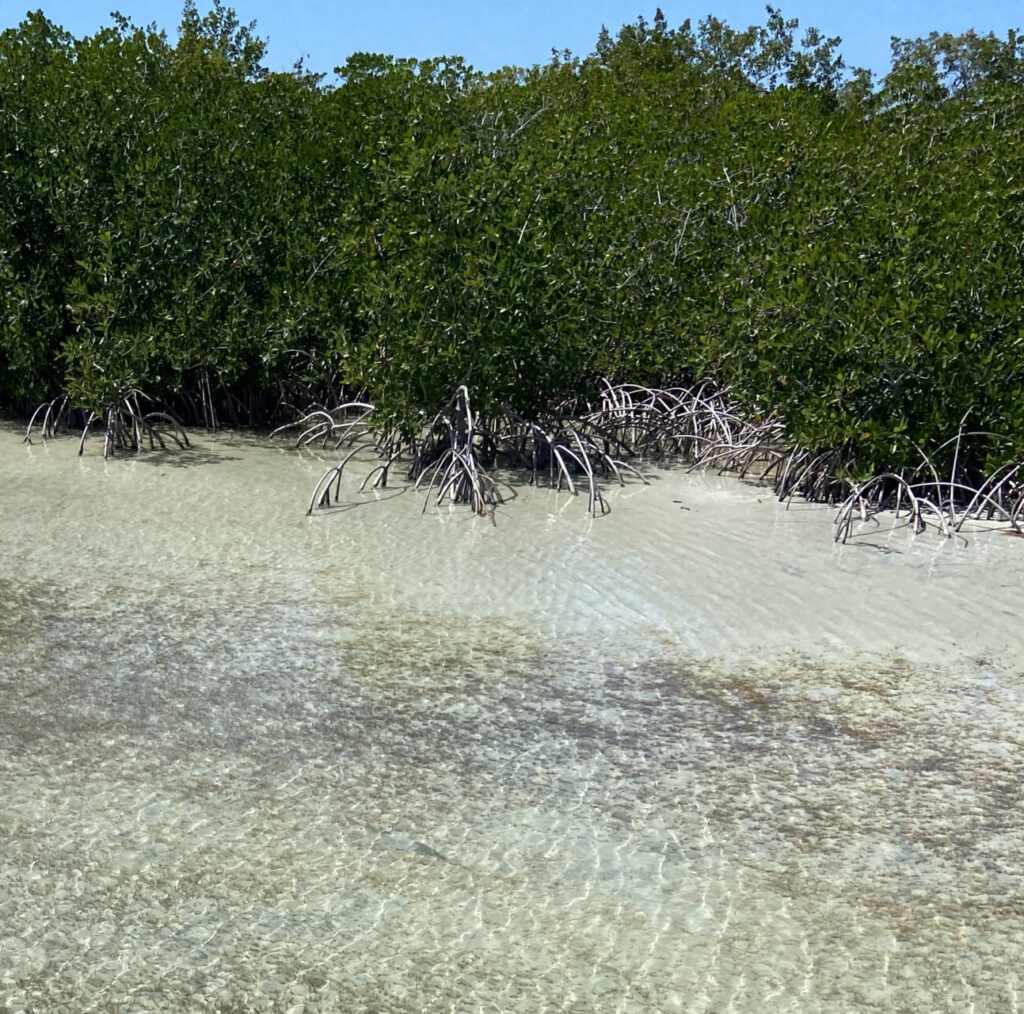
- The Unweighted Fly (Shallow Flats and Calm Days): In the ultra-shallow, white-sand waters of Florida Bay, sound is your biggest enemy. We use unweighted flies or those tied with light bead-chain eyes. These lighter-weighted patterns hit the water softly, settling right in front of a hungry fish without spooking it.
- The Deep-Channel Punch (Everglades/Channels): When fishing tidal cuts, bridge pilings, or mangrove edges in the Everglades, you need a fly that gets down fast. A lead- or tungsten-eyed fly is essential here; if the fly isn’t at the fish’s eye level within three seconds, you’ve likely missed the window before the current drags it out of the strike zone.
- Casting Dynamics: Remember that fly weight dictates your cast. A heavy lead-eyed fly requires a more open casting loop to prevent the fly from hitting your rod or snapping your leader. On calm, shallow flats, lighter flies allow for a more delicate presentation and a tighter, more precise loop.
The Bottom-Matching Rule: Color and Camouflage
Is it true that forage base matches the ocean floor they reside on? Absolutely. Nature has evolved most crustaceans and baitfish to camouflage perfectly against their surroundings to avoid predation. If you fish a bright white crab pattern on a dark, muddy marl bottom, it will stand out like a beacon—and while that sounds like a good thing, it often appears unnatural to a wary, pressured fish.
- Match the Bottom:
- Light/White Sand Flats: Use light-colored flies (tans, creams, pale whites). The natural forage here, like small shrimp and sand crabs, is light in color to match the sand.
- Dark/Grass Bottoms: Switch to darker, earth-toned patterns (olives, browns, dark tans). When shrimp or crabs move from sand to dark grass or mud, they instinctively shift their body color to match the environment. Your fly should do the same.
- The Visibility Factor: On overcast days or in stained water, contrast becomes the tie-breaker. While you want to match the general tone of the bottom, adding a subtle touch of flash or choosing a fly with a slightly darker silhouette can help the fish track your offering through the water column when visibility is reduced.
The Final Word on Florida Keys Fly Selection
The most effective anglers in the Florida Keys are those who stay observant. Before you make your first cast, look at the bottom color. Look at the water depth. Then, reach into your box and choose the fly that doesn’t just look like a crab, but acts like a native inhabitant of that specific stretch of water.

Leave a Reply
You must be logged in to post a comment.